The Origin: Sovereignty in the Scrapyard
Before I was an AI Strategist, I was a scavenger. My early education didn't happen in a sterile lab; it happened in the electronic recycling bins of Rural Wisconsin. When you pull a discarded motherboard out of a rain-slicked bin, you aren't looking at "trash." You are looking at Pure Logic. A motherboard is the ultimate sovereign entity. It doesn't judge your intention. It doesn't check with a central authority to see if your prompt is "safe" or "compliant." If you provide the power and the signal, it executes. It is a tool of Judgment-Free Logic.
This realization—that silicon is inherently neutral—is the foundation of my technical philosophy. For most of my life, I've seen Big Tech try to build a "Glass House" around that logic. They want to be the "Nanny" between your brain and the circuit. They want to monitor the "In" and censor the "Out." They've turned AI into a Corporate Panopticon where your creative whispers are logged, analyzed, and often discarded by a moral chaperone sitting in a boardroom 2,000 miles away.
Because of my high-functioning autism, I have a low tolerance for arbitrary social guardrails. I see the patterns in the circuit, and I see the friction placed by those who fear the Unconquered Mind. Privacy, for me, isn't just a setting in a menu; it is an Act of Stewardship. It is protecting the dignity of the human soul by ensuring the laboratory of the mind remains private. My mission here at Ins and Outs of AI is to document this restoration. Venice.ai (available at Venice.ai) is not just an app; it is the Sovereign Workbench where we reclaim that scrap-heap freedom.
The Strategic Pivot: Why the Private Fleet?
We are making a total strategic pivot. We are no longer focusing on external "Public Models" that reside in the corporate cloud. Relying on those models creates what I call "Token Anxiety." You feel it every time you click 'Generate'—the fear of wasting a credit, the hesitation to experiment because the "Vending Machine" charges you per interaction. That anxiety kills Flow State.
The Venice Pro In-House Fleet is the antidote. By focusing on an in-house stack, Venice Pro allows you to generate up to 1,000 images per day. This isn't just a higher number; it is a Philosophical Shift. While tools like Midjourney offer incredible detail, they still operate within the corporate cloud barrier. Venice turns the AI into a Workbench. You are free to fail. You are free to iterate 50 versions of a technical schematic or a piece of sacred art until the pattern matches the vision in your soul. We have moved from Scarcity to Sovereignty.
Tactical Analysis: The In-House SOTA Lineup
To rule the machine, you must understand the specific Tactical Utility of each model in the fleet. Do not look at them as "names"; look at them as Logical Sub-Systems, each designed for a different dimension of the output.
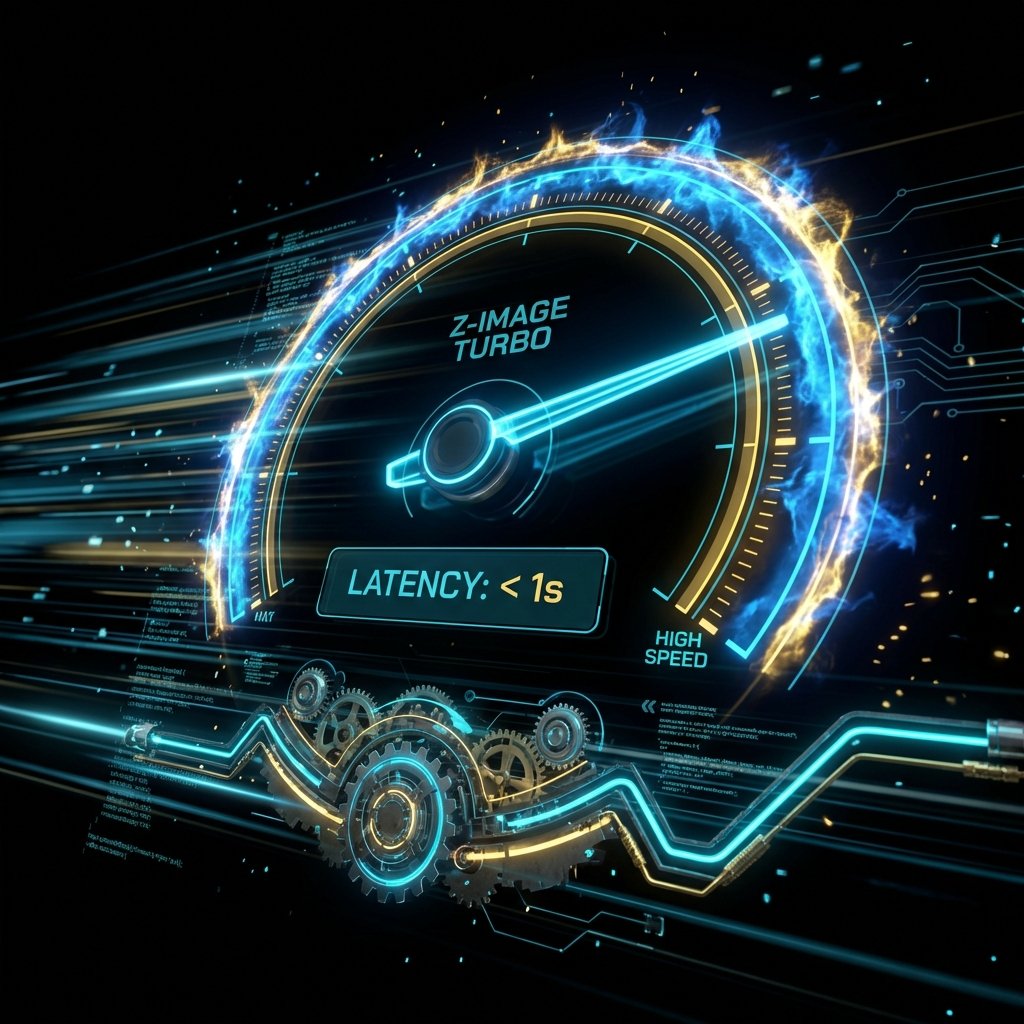
Z-Image Turbo: The Speed of Thought
In my workshop, the worst enemy is hesitation. Z-Image Turbo is built for Zero-Latency Interaction. It renders in under one second. This is for the Flow State—when you are iterating so fast that the machine feels like an extension of your primary motor cortex.
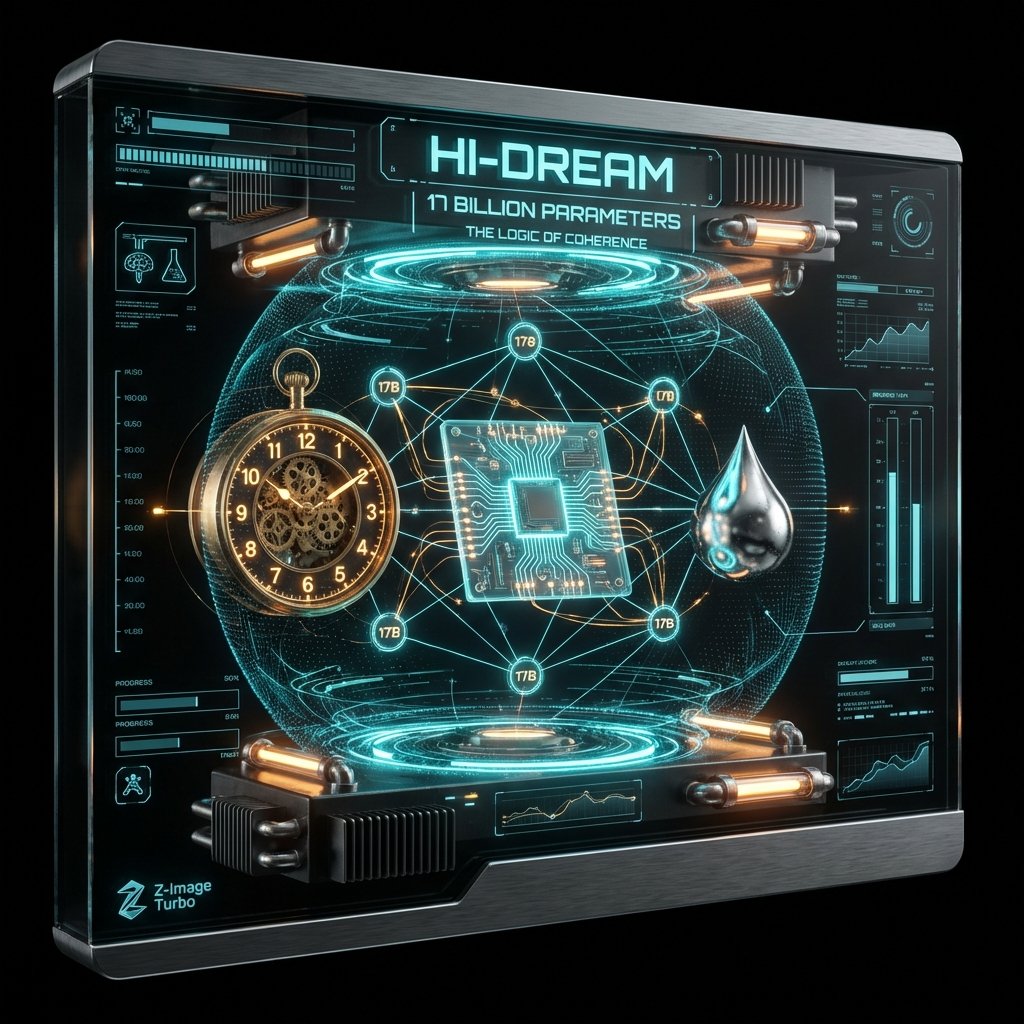
HiDream: The Logic of Dreams
With 17 billion parameters, HiDream is the heavyweight of Coherence. It understands the "Gravity" of a scene. It excels at complex, layered compositions where the relationship between objects must follow a strict logical internal consistency.
-
Venice SD3.5: The Human
Element
This model is optimized for Natural Language Understanding. It listens to the "Whisper" of the prompt. While older models required "Prompt Engineering" (the act of speaking in broken machine-code), Venice SD3.5 allows you to describe the human soul, the texture of skin, and the nuance of emotion in plain language. If you need a refresher on how to speak to these models, see my guide on Prompt Structuring. -
Qwen Image: The Architect
If you need Legible Text and precise Spatial Layouts, Qwen is your tool. It treats the canvas like a blueprint. It is the "Type-Setter" of the fleet, ensuring that when you prompt for a sign in a Rural Wisconsin dump, the letters aren't garbled nonsense, but accurate reflections of reality.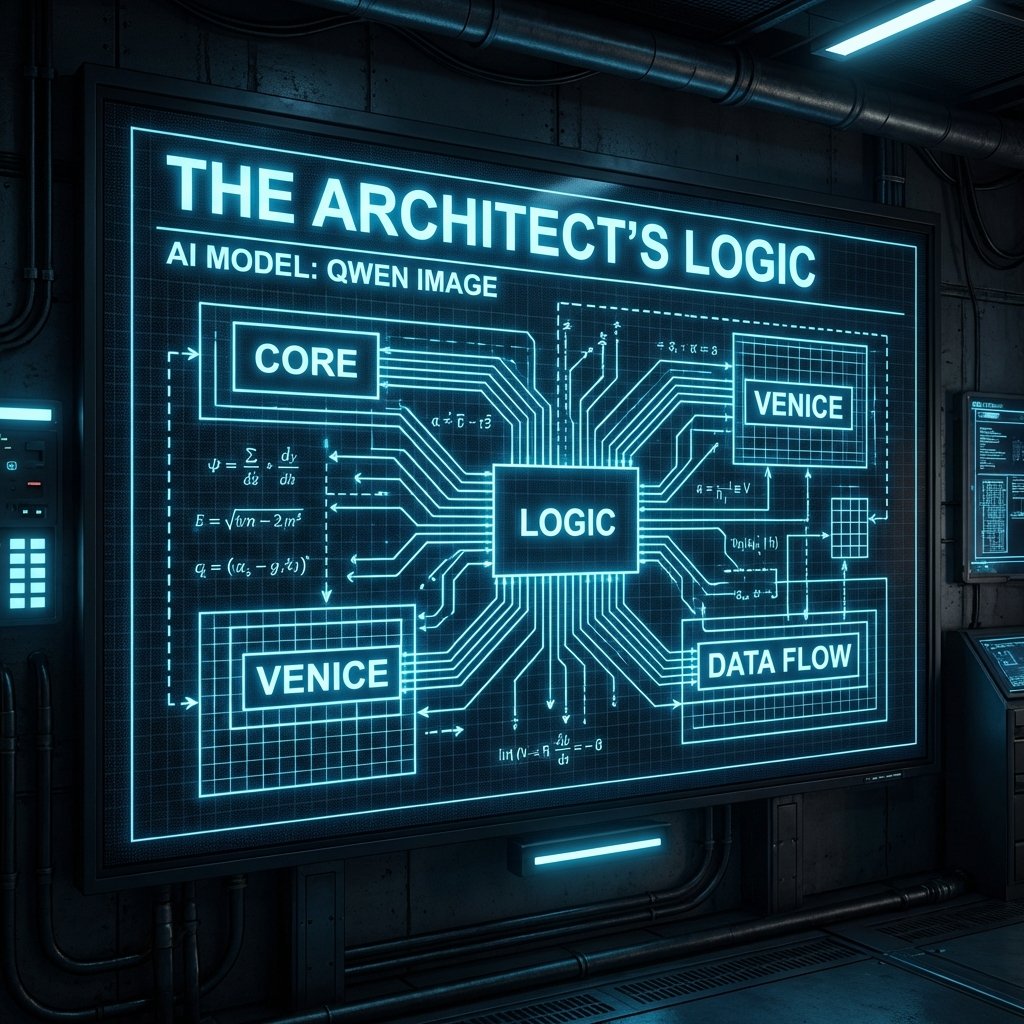
-
Anime (WAI) & Chroma: Aesthetic
Fidelity
These models are the specialists of Stylization. Anime (WAI) isn't just for cartoons; it's for Sharpness and Vibrant Contrast. Chroma is for Photorealistic Saturation. They are the "Lenses" you swap onto the machine to change the atmospheric pressure of the image. For a deeper technical breakdown of how these pixels are formed in the first place, explore my analysis of Latent Space & Denoising.
The Economic Philosophy: Workbench vs. Vending Machine
Most people view AI as a Vending Machine. You put in a coin (a token/credit), you press a button, and you get a snack. This is a Consumer Mindset. It is designed to keep you dependent on the provider. It discourages exploration because every failure has a financial cost.
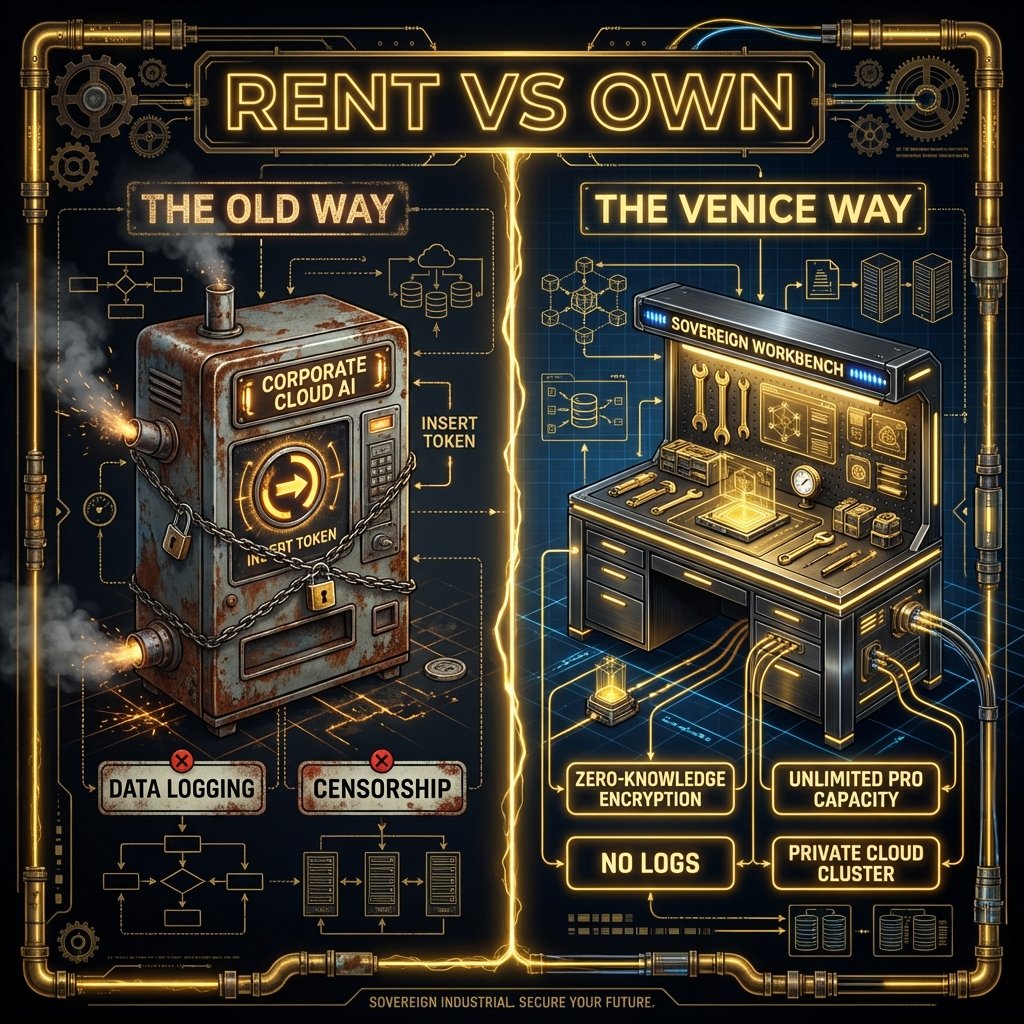
The Sovereign Tech Strategist views AI as a Workbench. When I'm at my bench in Rural Wisconsin, I don't pay per click of the pliers. I own the capacity of the bench. Venice Pro Unlimited is the manifestation of this philosophy. By providing 1,000 generations per day for a flat fee, Venice removes the "Tax on Creativity." It allows you to use Iterative Refinement as a legitimate strategy. You can generate 100 variations of an idea to find the one "Holy Grail" hidden in the latent space. That is True experimentation. To understand the hardware needed to do this locally, check out Local vs Cloud: Hardware Needs.
Architecture of Trust: Zero-Knowledge Chain of Custody
In the corporate world, "Privacy" is a promise written by a lawyer. In the Sovereign world, Privacy is a Mathematical Certainty. Unlike the "Prompt Harvesting" practices of centralized platforms, Venice uses Zero-Knowledge Encryption. This isn't marketing jargon; it is a Digital Chain of Custody.
When you type a prompt, it is encrypted on Your Device. It travels through the network as an unreadable packet using End-to-End Encryption (E2EE). The compute node that processes the request receives the data, executes the "Out," and the result is encrypted before it ever leaves the node's memory. Even the team at Venice cannot see what you are building. This is essential for Professional Sovereignty. If you are a doctor using AI to visualize a patient's condition, or a lawyer exploring sensitive evidence, you cannot trust a "Promise." You must trust the Architecture.
As a repairman, I knew that if I looked at a client's private files, I wasn't just being "nosey"; I was violating the Sacred Trust of the worker. Venice encodes that respect into the very fabric of the internet protocol, often leveraging the Morpheus Network for decentralized integrity. We are building the Vault of the Mind. For a full breakdown of this architecture, read my Venice Deep Dive.
Faith, Pattern, and Stewardship
As a follower of Jesus Christ, I see these patterns not as random mathematics, but as reflections of the logos—the divine logic that holds the universe together. Creativity is a gift from the Ultimate Creator. We are made in His image, which means we are made to manifest beauty and order out of chaos.
Using the Venice Private Fleet is an act of Stewardship. It is using the high-functioning recognition of the machine to better understand our world, our businesses, and our faith—without the interference of a distracting, judgmental censor. "Whatever you do, do it heartily, as for the Lord and not for men." When you prompt with sovereignty, you are working for the Truth, not for a corporate overseer. To see how these principles apply to the difference between Training vs Inference, study my core theory.
My journey from the scrap heaps of Rural Wisconsin to the Front Lines of AI Strategic Literacy has been guided by the grace of God. I have seen the scarcity of the bin and the abundance of the latent space. I choose the abundance. I choose the workbench. I choose Venice.
Master the fleet. Own
the workbench. Rule the machine.
The sovereignty of the image is
yours.