The Fiduciary Failure
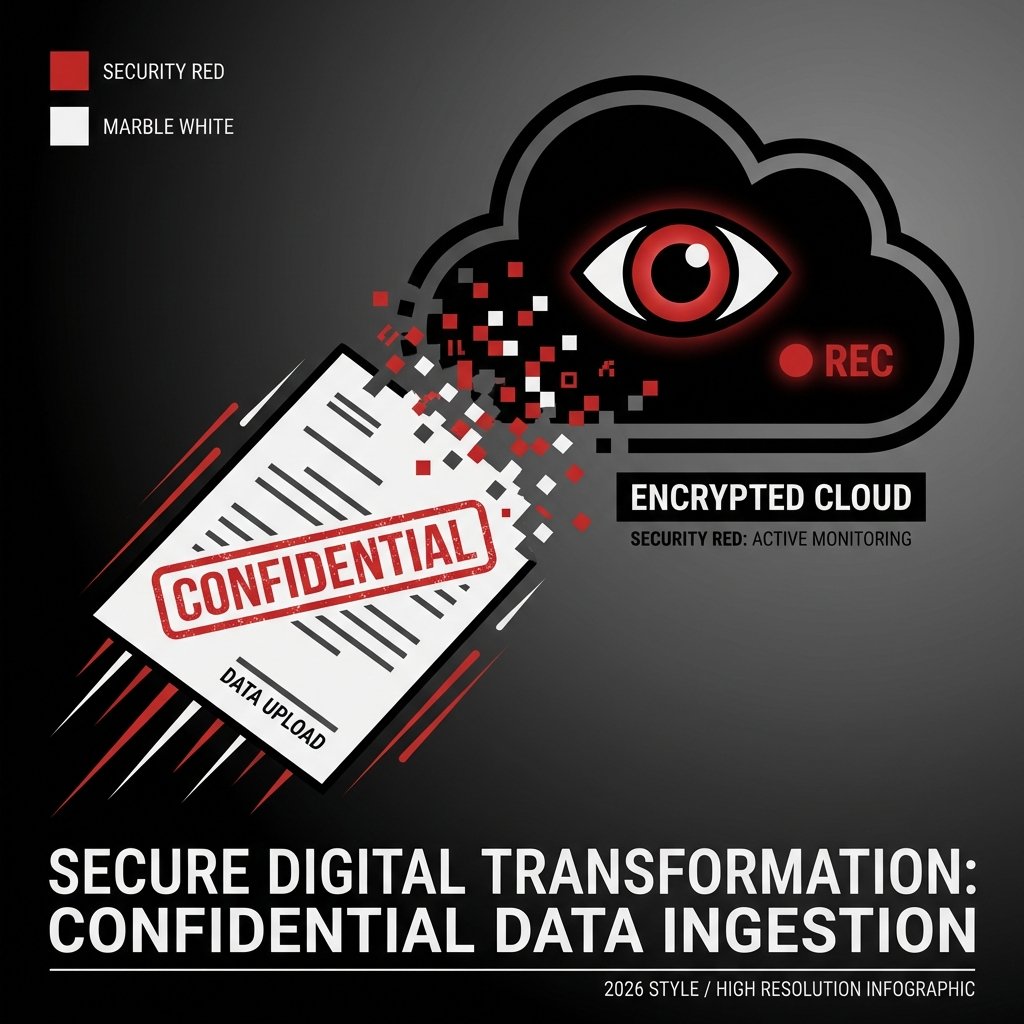
In the legal profession, Client Privilege is not a mere suggestion or a best-practice guideline; it is the foundational bedrock upon which the entire system of justice is constructed. It is a sacred promise that the "In"—the sensitive confessions, raw evidence, and strategic maneuvers of a client—will never translate into an unauthorized or uncontrolled "Out." However, as we enter the era of ubiquitous intelligence, a dangerous trend has emerged: the casual sacrifice of the Security Perimeter for the sake of convenience.
When a practitioner pastes a confidential case summary, a draft of a contract, or witness testimony into a Public AI interface like ChatGPT or Claude, they are essentially inviting a trillion-dollar corporation into the room. This isn't just an "efficient helper"—it is a data-hungry engine designed for Data Harvesting. Every token you provide is ingested, analyzed, and potentially distributed across the weight space of the model's next iteration. From a systems engineering perspective, this is a catastrophic breach of a professional's Fiduciary Duty.
The OpenAI Privacy Policy and similar terms from Google and Anthropic often include clauses that allow for "service improvement." In the language of engineers, this means your intellectual property is being used to train the very systems that could eventually compete with you or be used against your clients in discovery. To operate in 2026 without a clear understanding of your tech stack is to be a "Cloud-Slave," dependent on a third party who has no obligation to your client's confidentiality.
The Illusion of Confidentiality
Many firms believe that "Enterprise" tiers of corporate AI solve the privacy problem. While these tiers offer better legal protections than the free versions, they still fail the ultimate test of Sovereignty. An enterprise agreement is still a contract with a third party. If that party is subpoenaed, or if their cloud infrastructure suffers a Data Breach, your client's most sensitive data is at risk.
True security requires moving the intelligence to the data, rather than moving the data to the intelligence. This is the difference between Remote Inference and Local Inference. By hosting your own Local LLMs, you eliminate the middleman completely. You move from a position of "Trusting a Corporation" to "Owning the Perimeter."
Consider the "Leakage" risk. In a public cloud environment, data moves through multiple layers of telemetry and logging before it even reaches the model. These logs are often stored for weeks or months, creating a massive, unencrypted surface area for attackers. A Sovereign AI approach ensures that the data never leaves your hardware, significantly reducing the "Blast Radius" of any potential security event.
The Sovereign Legal Stack
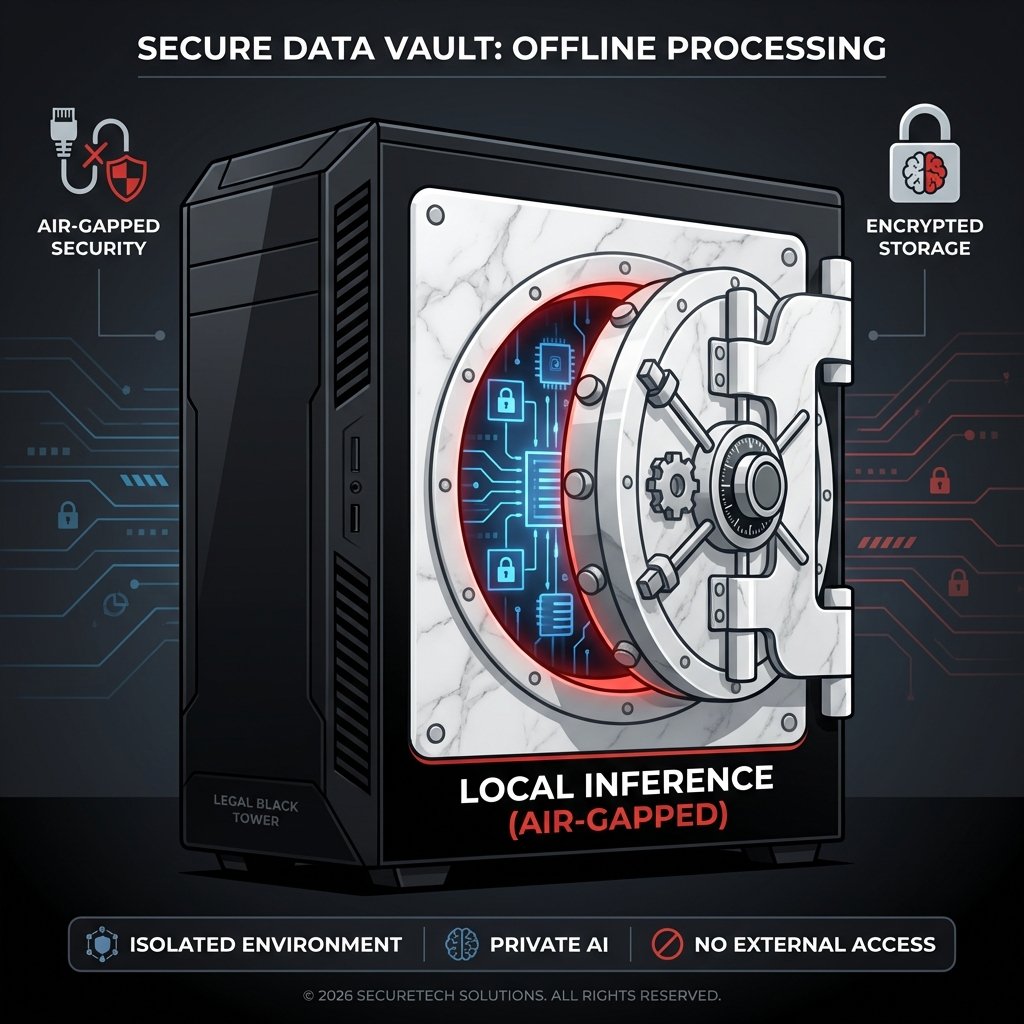
Building a fortress around your legal practice doesn't require a Ph.D. in Computer Science; it requires a disciplined commitment to professional Stewardship. Below is the blueprint for a high-authority engineering stack tailored for law:
1. Sovereign Hardware
The VRAM (Video RAM) on your GPU is the new vault. To run powerful models like Llama 3 or Mistral locally, you need a dedicated workstation (or Mac Studio) with at least 24GBnd to 64GB of memory. This hardware becomes your private brain.
2. The Linux Foundation
Windows and macOS are filled with telemetry backdoors. For the ultimate legal perimeter, use Linux. It is transparent, open-source, and allows for Air-Gapped workflows where the machine is never even connected to the internet.
3. Local Runners (Ollama)
Use Ollama to host your models. It provides a simple, CLI-based environment to download and run intelligence on your own terms. Pair this with Unfiltered Models from Hugging Face to ensure your AI doesn't "nanny" your case research.
4. Zero-Knowledge Search
When you must search the web, use Venice.ai. They utilize Zero-Knowledge encryption, meaning they cannot see what you are looking for. It is the "Tor of AI Search."
Data Sanitation: The First Line of Defense
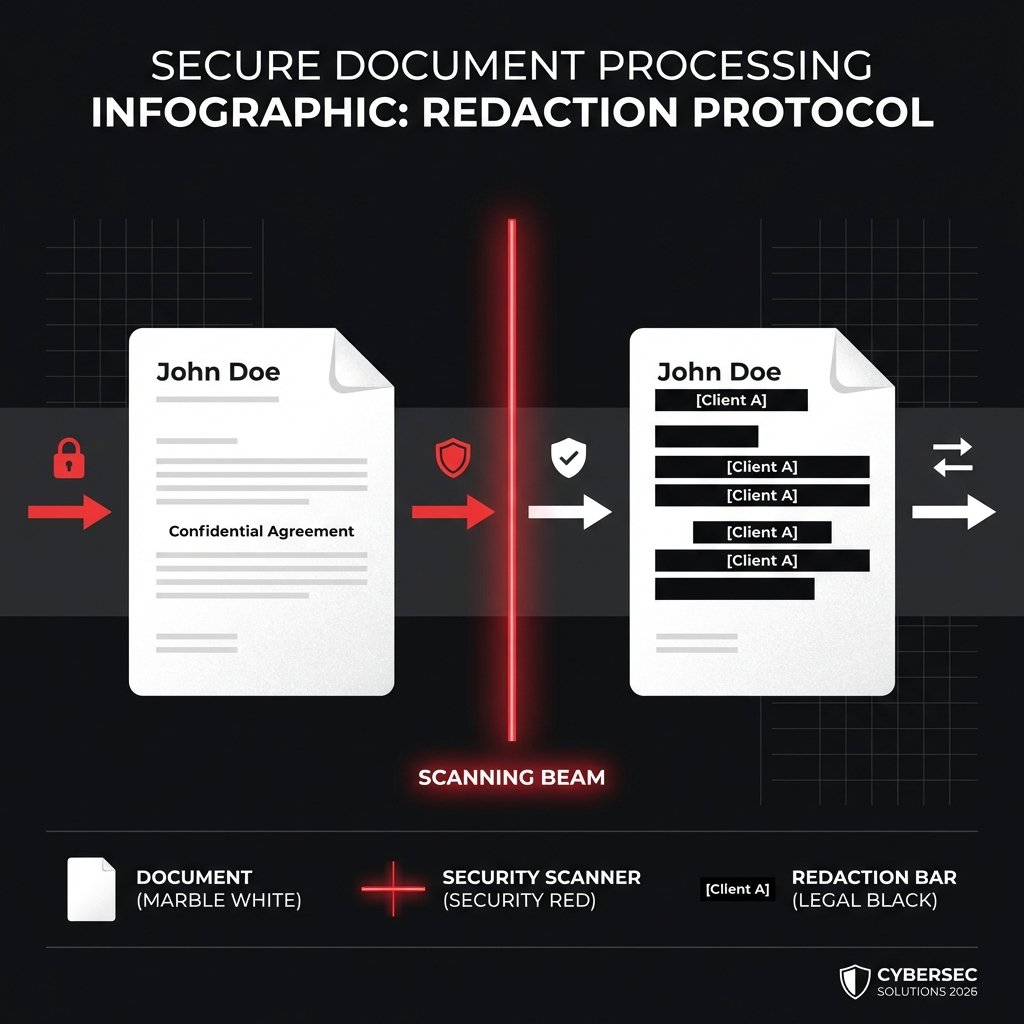
I often tell my students that if you wouldn't leave a physical case file on a park bench, you shouldn't leave the digital equivalent in a cloud prompt. But sometimes, cloud models are necessary for their scale. In these cases, you must implement Prompt Sanitization.
Sanitization is the process of using a local, lightweight script to scan your text for PII (Personally Identifiable Information)—names, addresses, dates, or specific case numbers—and replacing them with generic placeholders (e.g., "[Client A]"). Only after the text is "scrubbed" does it leave your local network. This preserves the Client Privilege while allowing you to leverage powerful cloud inference.
This is more than just "security theater." In the event of a breach at the cloud provider, a sanitized case summary is useless to a hacker. They might see the logic of the argument, but they have no "In" to link it back to a real person. This is how a Sovereign practitioner uses the cloud without being consumed by it.
The Stewardship of Privacy
As a professional whose work is deeply rooted in my faith, I view the protection of data through the lens of Stewardship. To be a steward of another's trust is a high calling. In The Ins and Outs of AI, we focus heavily on technical mastery, but we must never forget the why. A client who entrusts you with their life, liberty, or property deserves a lawyer who guards their secrets like a fortress.
By investing in Sovereign AI, you are not just being "innovative." You are fulfilling a moral imperative. You are ensuring that in an age of mass surveillance and corporate Data Harvesting, your office remains a sanctuary of truth and confidentiality. The Fiduciary Duty you swore to uphold extends into the digital realm.
The transition to a sovereign practice is not an overnight task. It requires a shift in mindset: moving from being a "User" of software to an "Owner" of intelligence. But the rewards—absolute privacy, zero subscription fees, and the peace of mind that your cases are air-gapped from the prying eyes of the tech giants—are immeasurable.
Actionable Workshop: Building the Vault
Ready to secure your practice? Follow these high-authority steps to establish your legal perimeter:
- Audit Your Ins: List every piece of client data you currently paste into cloud tools. This is your "Leak List."
- Acquire the Compute: Prioritize hardware with high VRAM. An NVIDIA RTX 4090 or a Mac M3 Max with 64GB+ of RAM is the gold standard.
- Deploy Ollama on Linux: Download Ollama and pull a model like `llama3:70b` for deep case analysis or `mistral:7b` for quick summarization.
- Sanitize the Cloud: If you must use ChatGPT, implement a strict "Placeholder Only" policy for all prompts involving PII.
- Verify the Perimeter: Use network monitoring tools to ensure your local AI workstation is not sending telemetry packets to external servers.
Conclusion: The Sovereign Advantage
The future of law is not just about who has the best AI; it is about who has the most secure AI. As corporations continue to refine their Data Harvesting techniques, the value of a truly private, Air-Gapped legal practice will skyrocket. Clients will seek out practitioners who can offer the efficiency of the machine with the absolute safety of the vault.
Don't let the siren song of "Free" and "Easy" cloud tools lead you into a breach of your professional oath. Take control of your Legal Data. Become a sovereign owner of your intelligence. By the grace of God, we have been given the tools to protect the truth—let us use them with wisdom and courage.
This concludes our deep dive into Client Privilege. In the next module, we will explore the mechanisms of the "Free" model trap and how to identify when you are the product, not the customer.